
Why Playing Slowly Makes Piano Practice More Effective
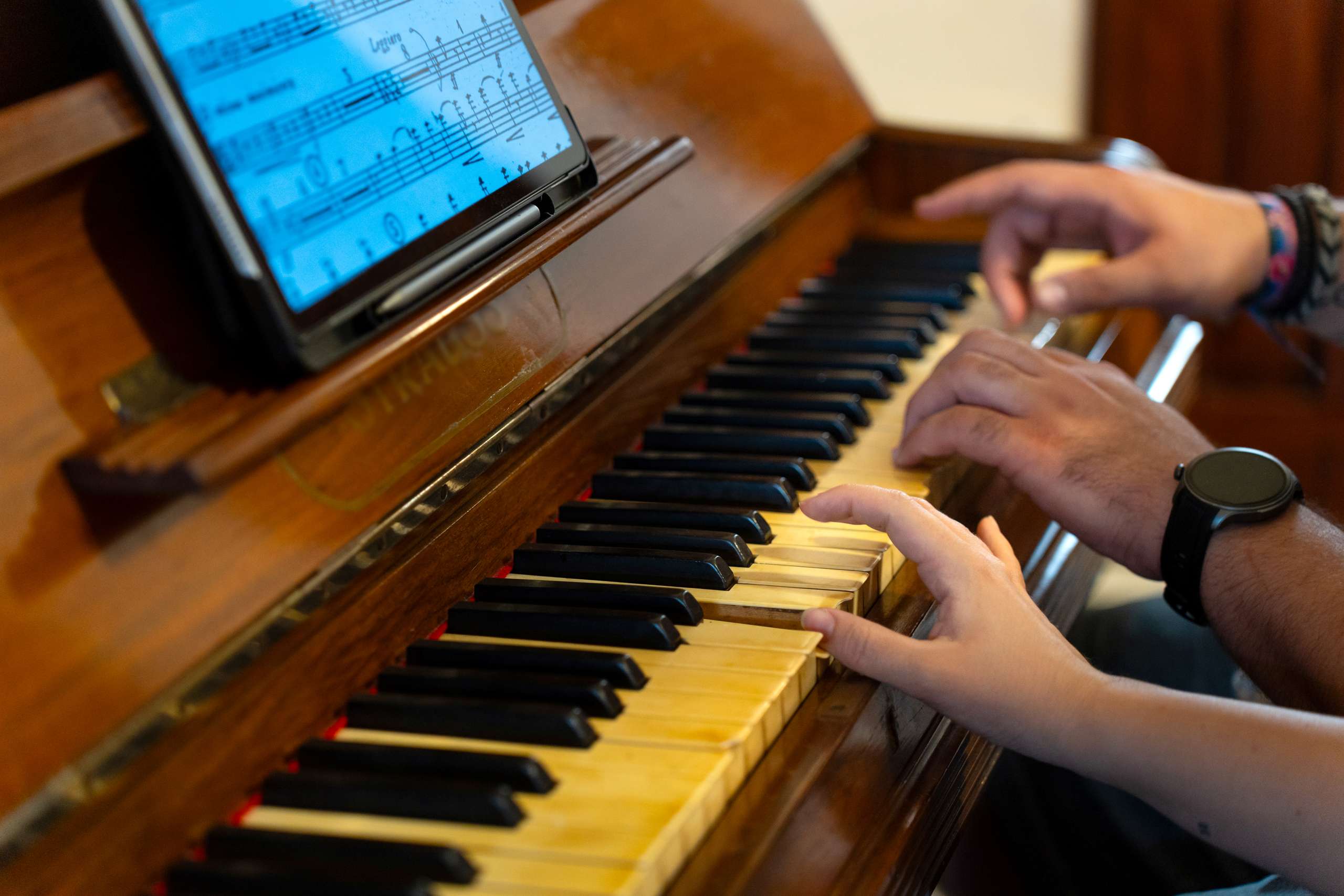
Few would argue that slow playing is the key to successful practice, but it is a fact. It can be tempting to play fast, especially if you know the tune well, but this will only mask any errors you are making. By playing slowly, you will become aware of any irregularities in your rhythm, fingering or hesitations. You will also find the keys more manageable, and be able to hear each individual note clearly.
So how should you go about practicing slowly? A good exercise is to take a few notes, maybe just 4 or 5, and place your fingers on the keys. Then play the notes slowly, taking careful note of finger and wrist movement. Repeat this a number of times, paying attention to the sound and feel of each note.
A mistake that people often make when practicing at a slow tempo is allowing the rhythm to falter. Without realizing, you may well be leaving gaps between the notes, which will become hard to correct later on. Try to maintain a sense of rhythm by thinking of a slow pulse, or beat, that you are playing to. You can practice counting this beat out loud while you play.
If you find yourself struggling with a particular note, don’t try to rush through it. Instead, focus solely on that note until you feel confident with it. Slow practice can be effective even if you only manage 5 or 10 minutes a day. Start by playing something simple, like a scale, at a slow tempo. Concentrate on the balance between your fingers. Then move onto a simple tune, again at a slow tempo. Make sure you can hear each note clearly. If you feel yourself tensing up or your rhythm slipping, stop, loosen your fingers and start again at an even slower tempo.
With time, you will find that slow practice pays off. You will find that you are more confident at the keys, that your fingers can find the right keys more easily and that you can play tunes more fluently. Remember, the slower you practice the better you will become.